I often look for simple, effective ways to improve plant health, and this UGAOO red soil is designed to do exactly that. Its natural, iron-rich composition and mineral content make it a solid choice for a wide range of plants, from vegetables and fruits to flowers, shrubs and houseplants.
Because it comes in a compact 1 kg pack, I find it especially useful for potting, top-dressing and targeted soil improvement in small gardens or balcony setups. If you want a straightforward soil amendment that adds nutrients and a healthy structure to your pots and beds, this product is worth considering.
TL;DR
|
Feature |
Verdict |
|---|---|
|
Ease of Use |
⭐️⭐️⭐️⭐️ – Easy to mix with potting mediums and use for top-dressing |
|
Nutrient Content |
🌱 – Iron-rich and mineral-packed to support greener foliage and healthy growth |
|
Versatility |
🎨 – Suitable for vegetables, fruits, flowers, shrubs and houseplants |
|
Portability |
📦 – Compact 1 kg pack handy for pots, seed starting and small garden tweaks |
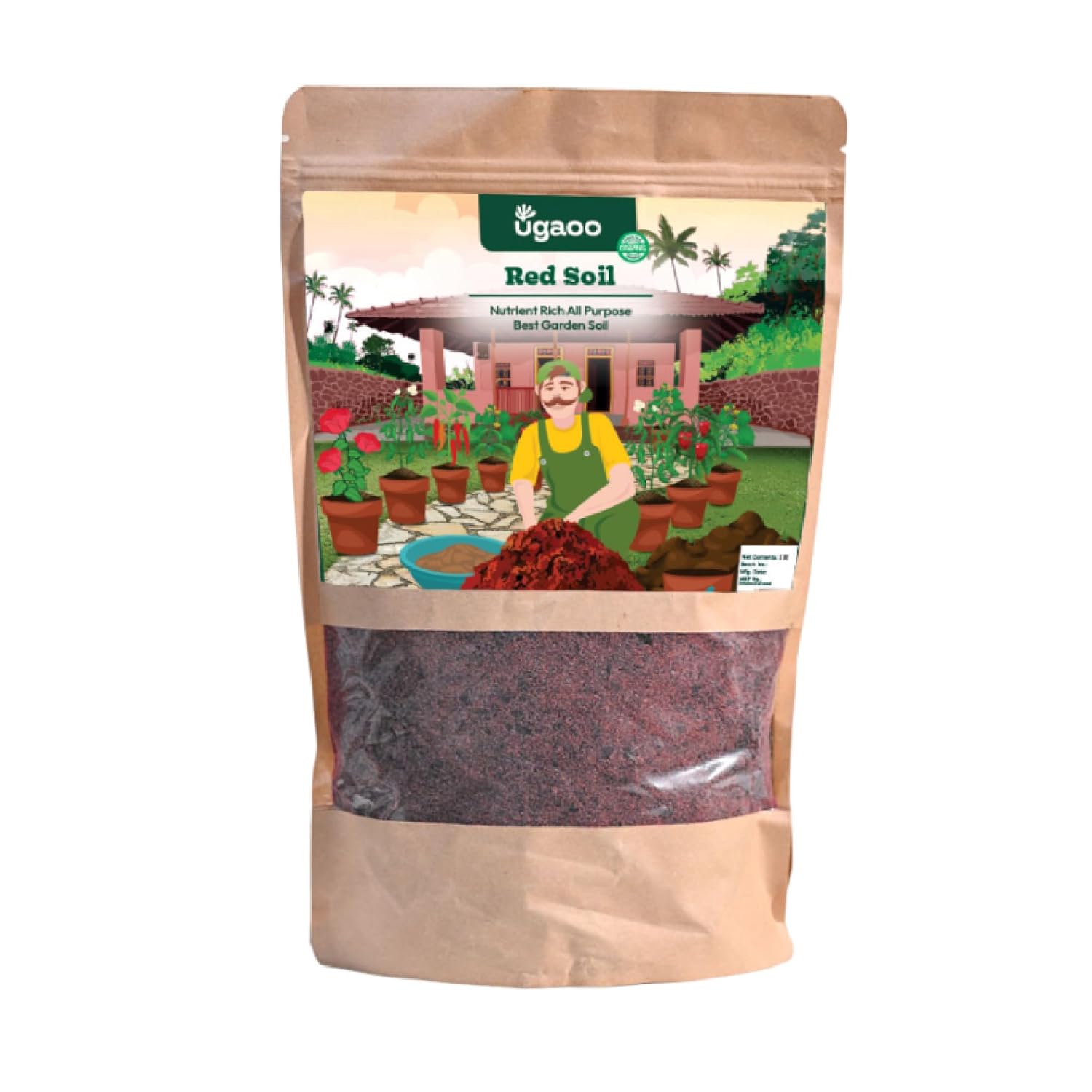
I like to keep a bag of this red soil on hand for quick potting, top-dressing, or refreshing tired beds. It feels earthy and dense, with a noticeable red tint from iron-rich minerals.
I use it for potted herbs, veggie seedlings and to improve garden beds — it helps with aeration and holds moisture better than plain sand. For small projects or to boost root development before a special planting day, it’s an easy, reliable option I turn to again and again.
What People Say
Most people mention the soil’s mineral-rich feel and how it seems to boost plant vigour, especially for home gardens and potted plants. Folks often note better moisture retention and clearer root growth, while a few point out that the mix doesn’t always feel like pure native soil.
|
Pros |
Cons |
|---|---|
|
✅ Packed with iron and essential minerals I can see working in my plants |
❌ Not enough quantity if you’re tackling a large garden |
|
✅ Good balance of drainage and moisture retention |
❌ Some users feel the texture is different from pure backyard soil |
|
✅ Works across pots, beds and container gardens |
❌ May need blending with compost for long-term fertility |
|
✅ Handy 1 kg size for small projects |
Long-Term Cost Benefits
Over time I found that healthier roots and better moisture retention mean less fussing with daily watering and fewer emergency fertilizer doses. For small-scale gardeners I see it as a way to reduce waste and save time on routine care.
Environmental Benefits
|
Impact |
Benefit |
|---|---|
|
Reduced Water Use |
Better moisture retention means I water less often, which helps conserve water in dry spells. |
|
Healthier Plants |
Stronger root systems can lower the need for extra chemical inputs over time. |
|
Natural Sourcing |
Being drawn from natural deposits, it feels like a simpler, less processed option for my garden mixes. |
Ease Of Use
|
Feature |
Ease Level |
|---|---|
|
Potting and Repotting |
Easy |
|
Mixing With Compost |
Moderate |
|
Seed Sowing |
Easy |
|
Large Bed Preparation |
Moderate |
Versatility
I’ve used it for seedlings, potted ornamentals, veggie pots and as a top layer in raised beds — it’s flexible enough for most home-gardening tasks.
Aesthetic Appeal
The warm red hue adds a pleasing, earthy look to pots and garden patches, giving beds a neat, uniform appearance.
Eco Friendliness
Because it’s mineral-rich and designed to hold moisture, I find it helps reduce frequent watering and heavy synthetic inputs. I still like to mix in compost for long-term soil health.
Key Benefits
- Rich in minerals and iron that support plant growth
- Improves aeration and encourages healthy root development
- Enhances water retention so plants stay hydrated longer
- Versatile for vegetables, fruits, flowers, shrubs and houseplants
FAQ
What Is UGAOO Garden Red Soil And Is It Safe For My Plants?
I see UGAOO Garden Red Soil as a natural, mineral-rich base medium sourced from red soil deposits; it’s particularly noted for being rich in iron and minerals, which supports healthy growth in vegetables, fruits, flowers, shrubs, trees and houseplants. I treat it as a foundational soil rather than a complete potting mix — it gives structure and nutrients but may need organic matter or drainage amendments depending on the plant.
If you grow edibles, I recommend rinsing roots briefly after repotting only if there’s visible dust, and always wash hands after handling; otherwise the soil is safe to use in gardens and containers.
How Do I Use This Red Soil For Pots, Beds, And Seedlings?
I use red soil differently depending on the situation: for containers I usually mix one part red soil, one part compost or well-rotted manure and one part coarse material such as perlite or sand to improve drainage; for garden beds I work the red soil into the top 10–20 cm of existing soil at roughly a 1:2 ratio (one part red soil to two parts native soil) to improve texture and mineral content. For seedlings I avoid using undiluted red soil alone because young roots prefer a lighter, finer seed-starting mix; I either mix a small amount of red soil into seed mix for mineral boost or start seeds in a sterile seed compost and transplant into a red-soil blend once true leaves appear.
Do I Need To Add Fertilizer Or Amendments And How Should I Store The Soil?
I expect to add amendments over time because red soil supplies minerals but not always the organic matter or continuous nutrients that heavy-feeding plants require; I top-dress with compost or apply balanced organic fertilizer at planting and during the growing season as needed, and I add perlite, cocopeat or sand when I need better aeration and drainage. For storage I keep unopened bags in a dry, cool place away from direct sunlight and moisture to prevent clumping and unwanted pests, and if I plan to reuse soil from pots I refresh it by mixing in fresh compost and sterilizing if I suspect disease or pests.
Wrapping Up
I like this UGAOO red soil because it offers a mineral-rich, iron-rich base that supports healthy plant growth across a wide variety of species. It is convenient in a 1 kg format for potting, top-dressing and small garden fixes, and I find it easy to work with. On the flip side, some users feel it may not be “pure” garden soil in composition and the small size means you will need multiple packs for larger areas.
Overall, it’s a practical, versatile soil amendment for gardeners who want an easy way to boost nutrition and structure in pots and small beds.
This Roundup is reader-supported. When you click through links we may earn a referral commission on qualifying purchases.